Vispring Opulence Mattress
Experience cloud-soft luxury with precise heat control, contouring support, and zero motion transfer for undisturbed, all-night comfort.
Explore the core coil configurations that shape comfort, durability, and sleep quality. From timeless Bonnell coils to modern pocketed designs and the nuanced world beyond, this guide distills the essentials so readers can navigate a crowded market with confidence. We’ll also peek at how these coil systems interact with body weight, sleep position, and budget, and spotlight a few exemplary products that illustrate different coil architectures in action.
In the vast universe of mattresses, the coil system sits at the heart of support, alignment, and resilience. A mattress that uses springs to respond to weight and movement can adapt to your body, distributing pressure, and maintaining spinal neutrality through the night. The design of the coil—its shape, count, gauge, and arrangement—determines how it behaves under different sleeping positions and weights. Innerspring coils also influence edge support, cooling, and durability, as the springs interact with padding and upholstery above them.
Think of the coil system as the frame of a chair: the way it flexes under load shapes the comfort and longevity of the whole piece. The coil is not just a metal spring; it’s a coupled system that works with the comfort layers, the ticking, and the foundation to create a sleep surface that can be plush, responsive, or firm—sometimes all at once, depending on the zone and the fill.
Bonnell coils are among the oldest and most recognizable spring configurations. They feature interconnected hourglass-shaped coils tied together with a wire to form a spring unit. This design delivers an even, modestly responsive feel with dependable durability. Bonnell systems tend to offer robust edge support and are often used in traditional or value-oriented mattresses.
Pros: - Excellent durability and time-tested performance - Consistent, even support with straightforward zoning - Strong edge support in many models
Cons: - May feel less contouring or responsive compared with pocketed coils - Motion transfer can be higher due to interconnected coils
Pocketed coils, or individually wrapped coils, are housed in fabric pockets to function independently. This isolation reduces motion transfer and enhances contouring, making pocketed systems a favorite for couples and sleepers who share a bed. The level of contour and the feel can vary widely, depending on coil gauge, count, and the density of the padding around them.
Pros: - Excellent motion isolation - Strong contouring and support customized to different body zones - Good edge support when paired with proper border construction
Cons: - Higher production cost and potentially more complex repairability - Edge support can vary; premium edge reinforcement is common in higher-end models
Continuous coils are a single winding of steel that runs across a mattress, creating a continuous support system. Off-set coils are a variation that adds offset in the coil alignment to improve conforming support. These designs offer a blend of durability and contour, with nuanced feel differences depending on manufacturing details.
Pros: - Good durability with consistent feel - Potential for strong edge support with proper construction
Cons: - Can be less individually responsive than pocketed systems - Manufacturing variations can lead to different consumer experiences
Many modern mattresses blend coil technologies with memory foam, latex, or other comfort foams. You’ll see combinations like pocketed coils paired with microcoils, or calico pocket springs with reinforced edge zones. These hybrid approaches aim to optimize cooling, pressure relief, and temperature regulation while preserving the benefits of coil-based support.
Key considerations: - How the coils interact with comfort foams and fabrics - The density of the pocketed unit and the layering of foams - Edge support and border reinforcement for a stable sleep surface
When selecting a coil-based mattress, it helps to map your sleep profile: body weight, preferred sleeping position, and budget all shape the ideal coil configuration.
In practice, a good approach is to identify a model with a reliable coil architecture you prefer, then compare the comfort layers, temperature management features, and warranty terms. The best mattress for you is the one that meets your sleep needs consistently across five to seven nights per week, not just in a showroom test lie-down.
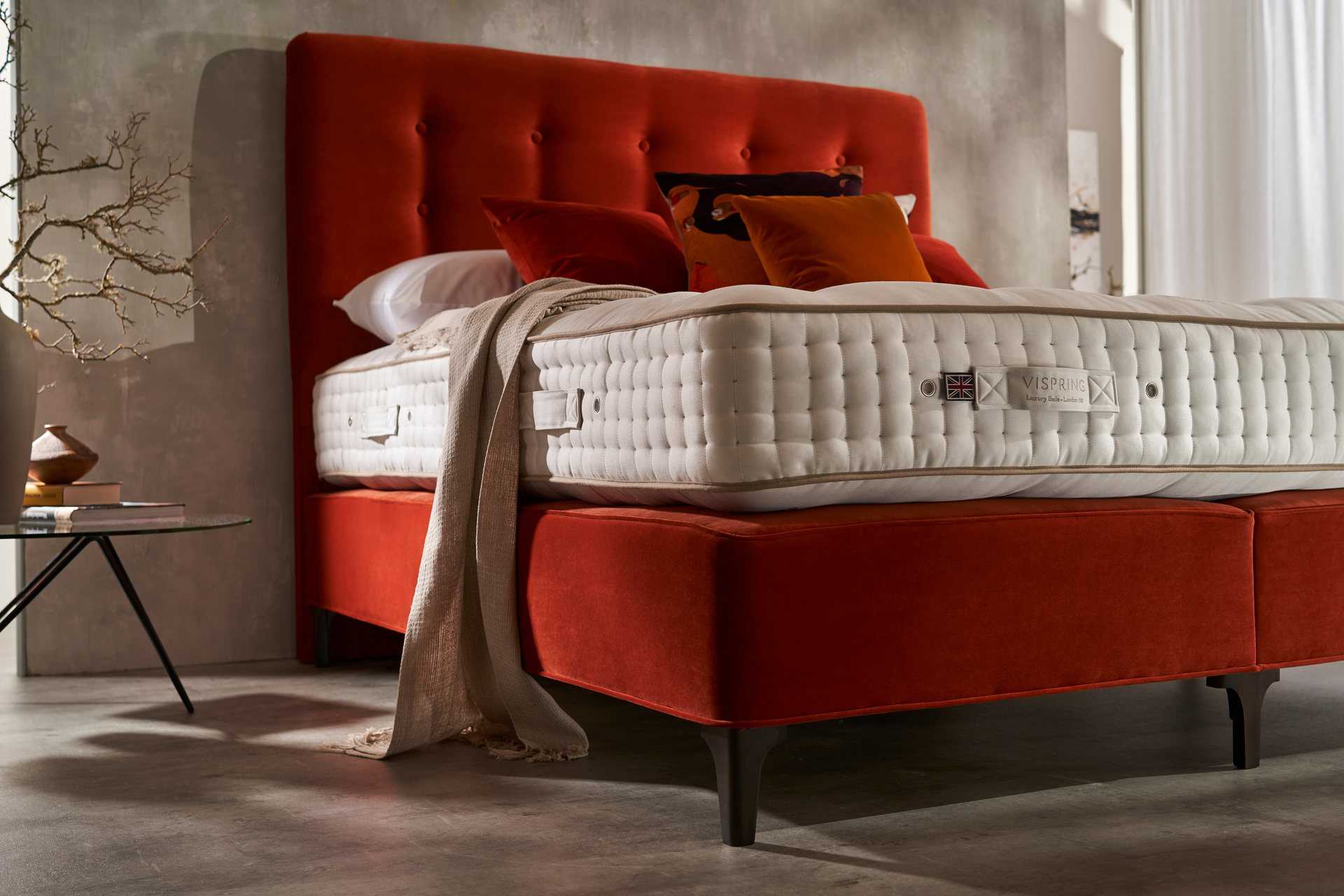
The Vispring Opulence stands as a pinnacle example of a high-end coil system married to a luxurious, multi-fiber upholstery. While it represents a premium tier, its architecture demonstrates how sophisticated coil design can coexist with natural fillings to craft a sleep surface that is both soft and thermally precise.
Key details: - Three-layer hand-nested vanadium steel pocket springs with a total of 3,366 springs in King size - An outer layer of mulberry silk and bamboo, followed by cashmere and alpaca, with Moosburger horsetail for resilience - Real Shetland Wool and cotton at depth to provide thermal mass and movement absorption - Hand tufting with wool and twine for long-term stability and fill distribution
Note: Opulence is a showcase of premium craftsmanship and materials, illustrating how a sophisticated coil architecture can be paired with luxurious upholstery for an exceptional sleep experience.
Though most readers will not purchase Opulence, the example is instructive. Vispring uses a two-layer pocket spring system with deep attention to depth, side-stitching, and tufting to maintain perimeter stability. The dual-layer approach ensures zoned support while preserving the surface's contouring and bounce characteristics. In a practical sense, readers can apply these ideas as benchmarks when evaluating other premium models: layered pocket springs, border reinforcement, and disciplined upholstery choices can uplift a mattress’s long-term performance.
In the market today, several comparable models emphasize: - Hand-nested pocket springs for precise support - A combination of natural fillings to balance softness, temperature regulation, and durability - Thoughtful border construction to maximize usable sleep surface
To bring these concepts to life, it helps to look at influential thinkers, designers, and engineers who shaped how we think about sleep systems. Here are three figures from different eras who left their imprint on the science and craft of coils and sleep surfaces:
As mass-production of bedding accelerated in the early 1900s, designers like Mallory refined the Bonnell coil approach, prioritizing durable, affordable spring units that could be manufactured at scale. Mallory’s innovations helped standardize the shared bed experience in households worldwide, making a reliable mattress accessible to a growing middle class.
In the mid-20th century, designers explored pocketed coil concepts and bolt-together border systems that improved motion isolation and edge resilience. Marinelli’s work in upholstery layering and coil-to-foam interfaces helped popularize the idea that sleep surfaces could offer personalized comfort without sacrificing durability.
Today’s sleep science unites biomechanics with materials science. Dr. Khatri emphasizes how coil geometry and material choices interact with body heat and movement, informing modern bed design. Her work underscores the importance of reliable edge support, zoned firmness, and breathable upholstery in promoting restful, restorative sleep.
Whether you are drawn to the classic steadiness of Bonnell coils or the refined contouring of pocketed systems, the fundamental goal remains the same: a sleep surface that supports your spine, cushions pressure points, and remains durable under nightly use. When shopping, consider coil type alongside other factors—namely gauge, count, edge support, and the overall comfort layering. Pay attention to warranties, return policies, and the mattress’s temperature-regulating features. A well-chosen innerspring mattress can be a reliable partner for years, supporting a healthier sleep pattern, better mood, and a more energetic day-to-day life.
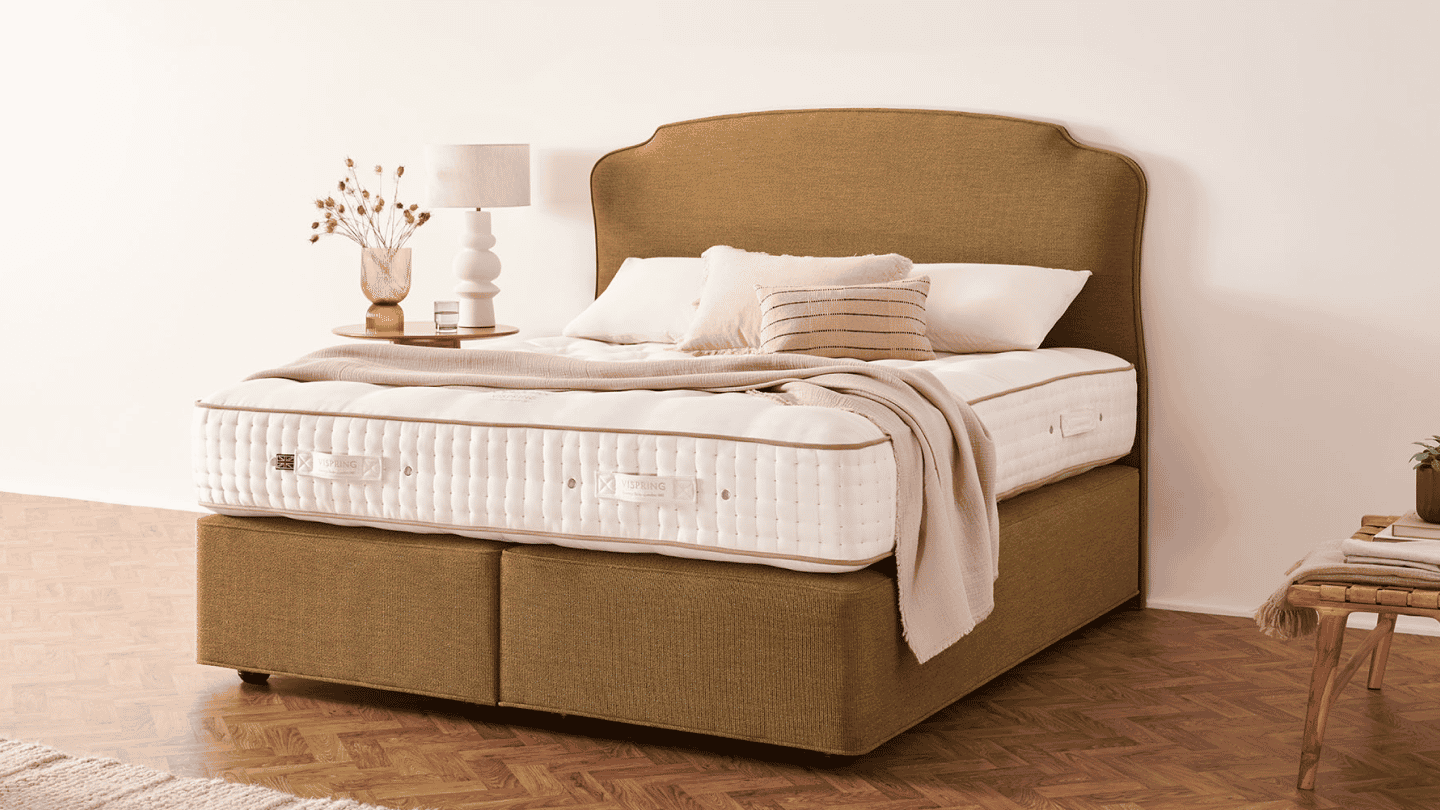
For readers seeking a curated example of premium coil architecture in action, the Vispring Opulence and Vispring Signatory Superb models showcased here provide reference points for how luxury coils translate into sleep experience. While these are aspirational, they help illuminate the range of options and the craftsmanship available in the market.
Note: All product references are for illustrative purposes within a comprehensive, editorial guide intended to illuminate coil configurations and their impact on comfort and durability. For a direct purchasing experience, please consult authorized retailers and current listings.
A masterclass in coil architecture and luxurious upholstery, the Vispring Opulence demonstrates how a high-end pocket spring system can be combined with a suite of natural fillings to deliver a sleep surface that’s both plush and thermally precise. Its triple-nested spring architecture and 3,366 independent springs in King size map to the body’s contours with remarkable subtlety.
Note: This spotlight showcases luxury craftsmanship; many readers will encounter more accessible options that still demonstrate the fundamental coil principles discussed above.